


Developed by Oxford Properties and Pioneer Group, converted by CW Architects and delivered by contractor Wates, Victoria House made its debut on 16 September 2025, marking a key milestone for the life sciences sector.
The launch event brought together leading scientists, entrepreneurs, and investors, whose energy, expertise, and collaborative spirit showcased the building’s emergence as a hub for scientific excellence and breakthrough research in London.
Following a morning of focused discussion on research investment and commercialisation, guests embarked on the Discovery Tour – an extensive presentation of more than twenty pioneering companies. Each exhibit showcased concrete advances in fields such as regenerative medicine, precision diagnostics, and sustainable energy.
Floor 3: Bridging Heritage and Science
Beginning on the third floor, guests had the chance to look inside some of Victoria House’s stunning heritage rooms, and speak to exhibitors including Forcefield, Maxwellia, and PrecisionLife.

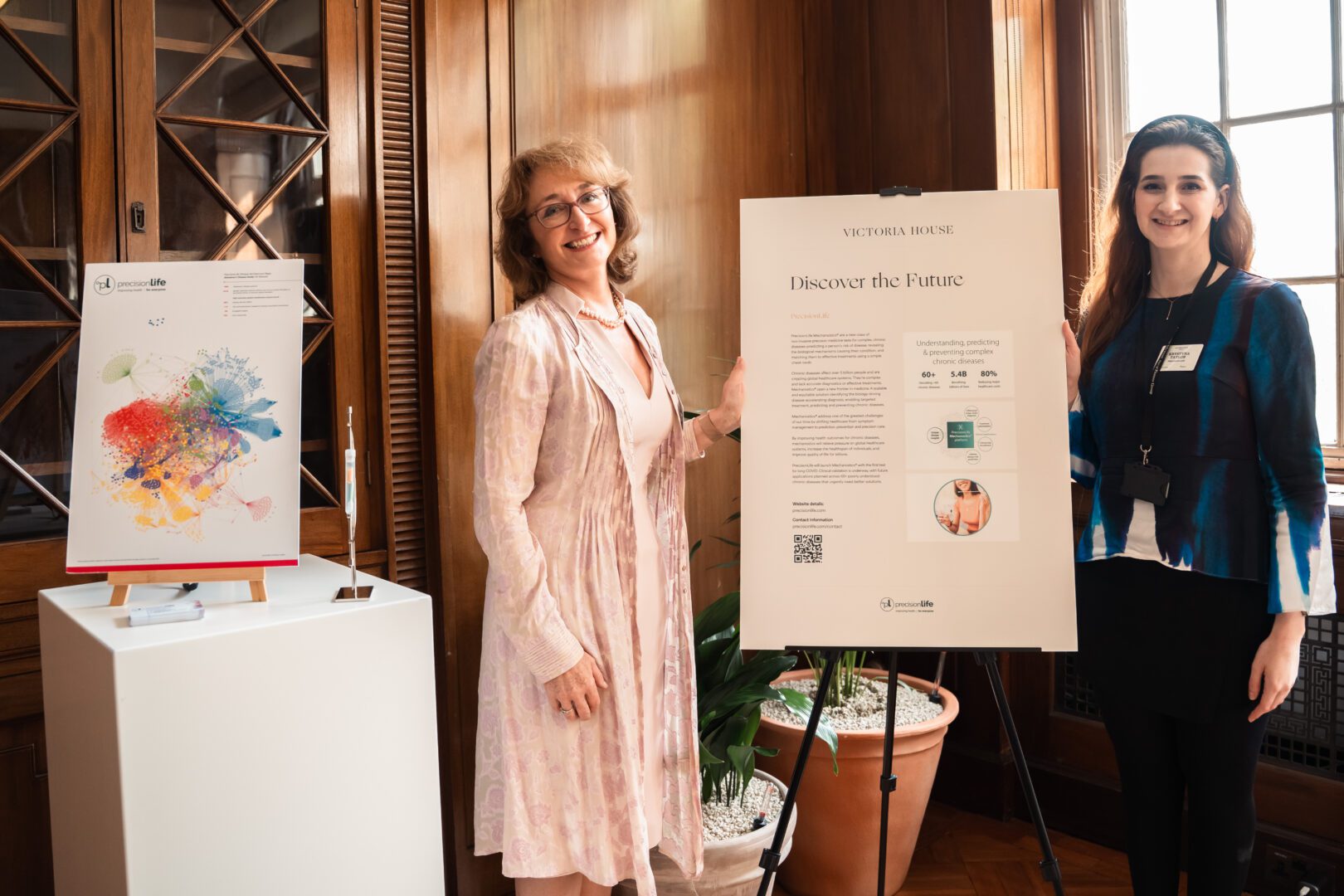
PrecisionLife develops non-invasive precision medicine tests, Mechanostics®, that predict disease risk, uncover biological mechanisms, and match patients to treatments. During the tour, the team demonstrated how its Mechanostics platform could transform care for conditions like endometriosis and ultimately improve health outcomes for billions.
Dr Steve Gardner, CEO and Co-Founder, explained: “We want to do for complex diseases what companies like Guardant Health, Tempus AI, and Exact Sciences have done for cancer screening: build a global diagnostic testing business that can inform healthcare, deliver precision medicine and shift testing from hospitals to the home. Our work is about moving from treating illness to preventing disease and making care more personalised.”
“Victoria House is a fantastic location, right near the Knowledge Quarter,” Steve added. “As an ecosystem it works exceptionally well; the building itself is beautiful, with facilities that are second to none, and the social side is excellent too.”
Floor 4: From Lung Models to Biofuel Innovations
From there, the tour continued upward to the fourth floor of Victoria House, which offers an impressive 26,700 sq ft of modern workspace and meeting rooms. Here, guests could stop by ImmuOne’s stand and see its impressive 3D lung model, showing how human-relevant data can replace animal testing and deliver more accurate, ethical, and sustainable insights.
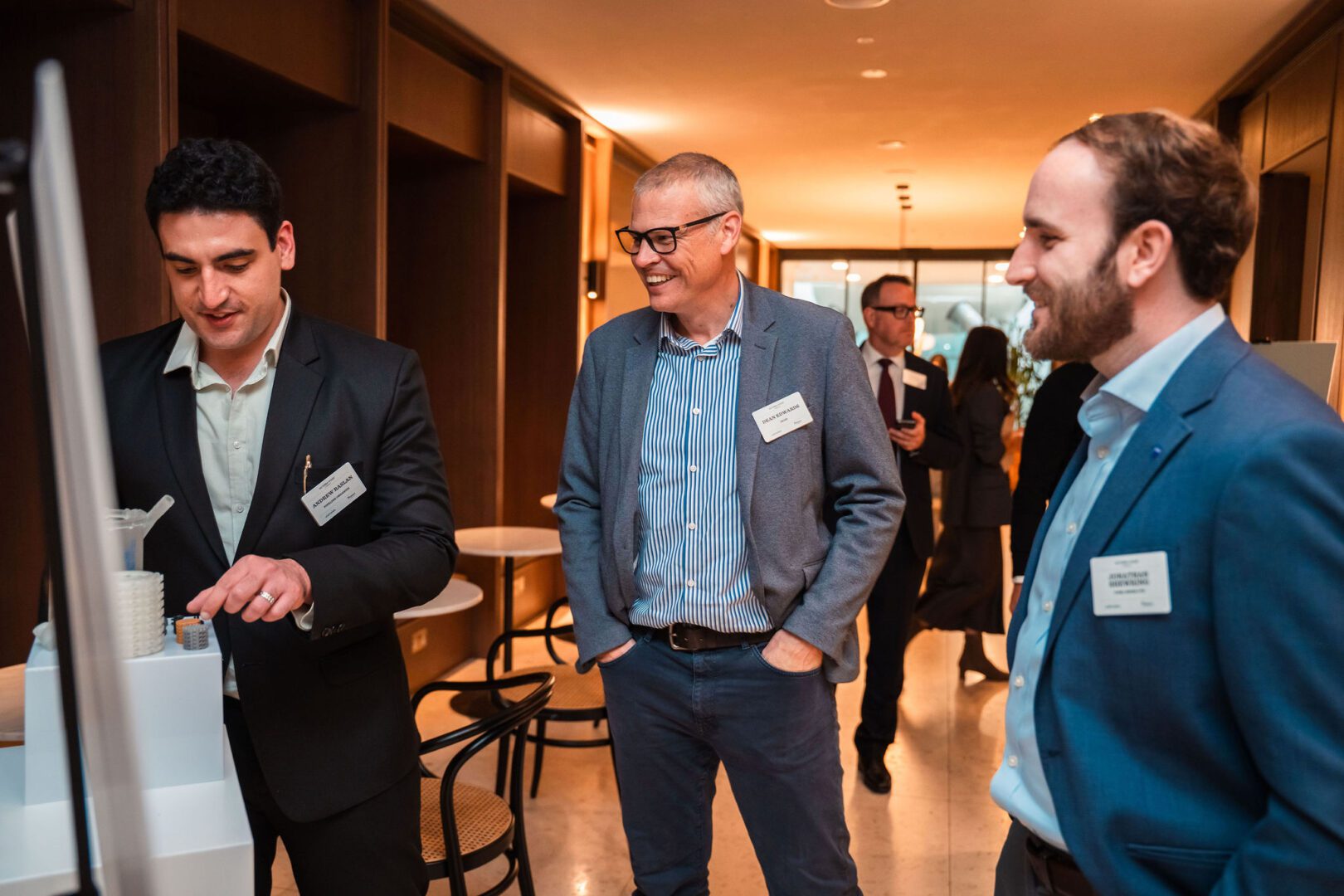
to guests how food waste can be transformed into zero-carbon electricity.
Around the corner, Pipeline Organics showcased its enzyme-driven energy systems that convert wastewater into clean, circular power. Guests were invited to see small-scale biofuel cell prototypes and a demonstrator rig, illustrating how food and drink waste can be transformed into reliable, zero-carbon electricity directly on industrial sites.
Andrew Raslan, Co-Founder of Pipeline Organics, outlined the company’s focus and ambitions: “We’re a deep-tech hardware company, which means the technology is capital-intensive. We’re looking for seed funding, pilot sites and partners who can see the potential to turn sugary waste into an energy asset. Food and drink manufacturers already pay to remove this waste – we can help them turn it into on-site, resilient energy.
“The Pioneer ecosystem has been great for networking. It connects the life science community, helping us find research partners, meet experienced entrepreneurs entrepreneurs, build relationships and access the facilities that early-stage tech startups need.”
Floor 5: Transforming the Treatment of Metabolic Disorders
On the fifth floor, guests had the opportunity to explore Victoria House’s fully serviced labs, designed for biotech breakthroughs. A wide variety of exhibitors were stationed here, including: BIA, Melio Bio, Microneedle Solutions, Nano Syrinx, Freenome, Selentus Science, Rinri Therapeutics, SurePulse, Nuna Bio, Neobe, Myconeos and Cytomos.
A biotech co-created with Molecule to Medicine, Melio Bio is dedicated to the discovery and development of novel inhibitors targeting a receptor implicated in obesity and associated co-morbidities.
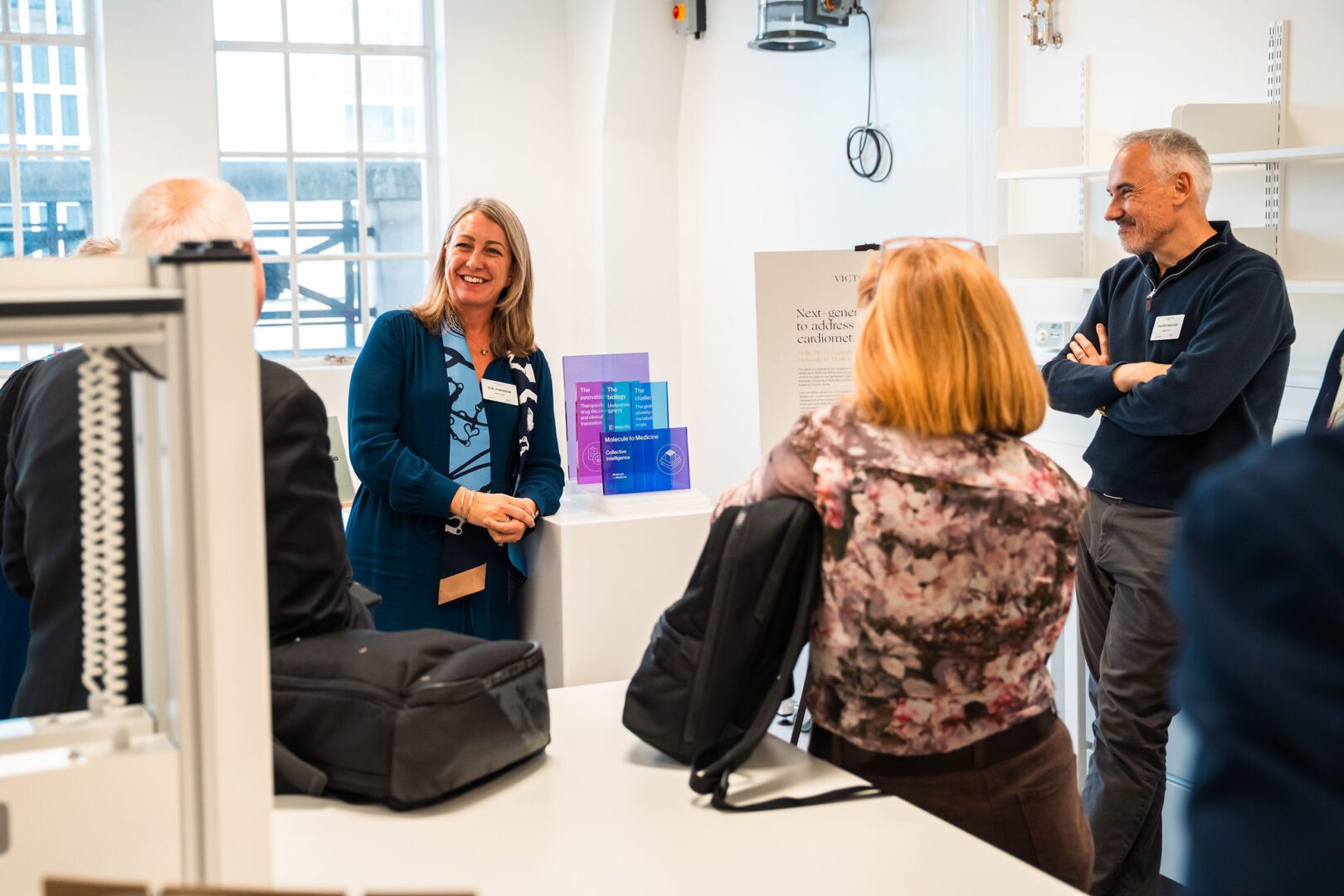
share the company’s story with guests on the Discovery Tour.
Zoë Johnson, Co-Founder of Melio Bio, said: “Winning the Pioneer and Novo Nordisk Golden Ticket has been transformative. It brought us into Victoria House early and gave us a direct link with Novo Nordisk to help guide our development programme. For Melio Bio – and for Molecule-to-Medicine more broadly – it meant we could embed quickly in London’s Knowledge Quarter and scale from within. Our ambitions in cardiometabolic disease and informatics are now firmly rooted here.”
Kirsty McCarthy, Chief Executive Officer at Molecule to Medicine, added: “Being based at Victoria House has already created valuable opportunities. We’ve connected with other companies in the building, including an AI-driven chemistry business, that will help advance some of our programmes. Earlier this year we hosted a Molecule to Medicine investor day in the Council Chambers, attracting more than 20 investors. The central location makes it easy for our teams across Cambridge, Oxford and London to meet, and it gives us direct, face-to-face access to capital.”
Floor 5 Continued: Regenerative Cell Therapies
Further along the corridor, Rinri Therapeutics, a company that develops regenerative cell therapies for hearing loss, showcased anatomical models of the ear and cochlea to illustrate how its therapy could transform outcomes for millions of people with hearing loss.
Simon Chandler, CEO of Rinri Therapeutics, said: “Hearing loss is a huge unmet medical need – around half a billion people worldwide are affected, and there are currently no disease-modifying treatments, only medical devices such as hearing aids or cochlear implants. These devices often fail to improve hearing for many patients, as they are palliative and address symptoms but do not address the underlying cause of hearing loss.
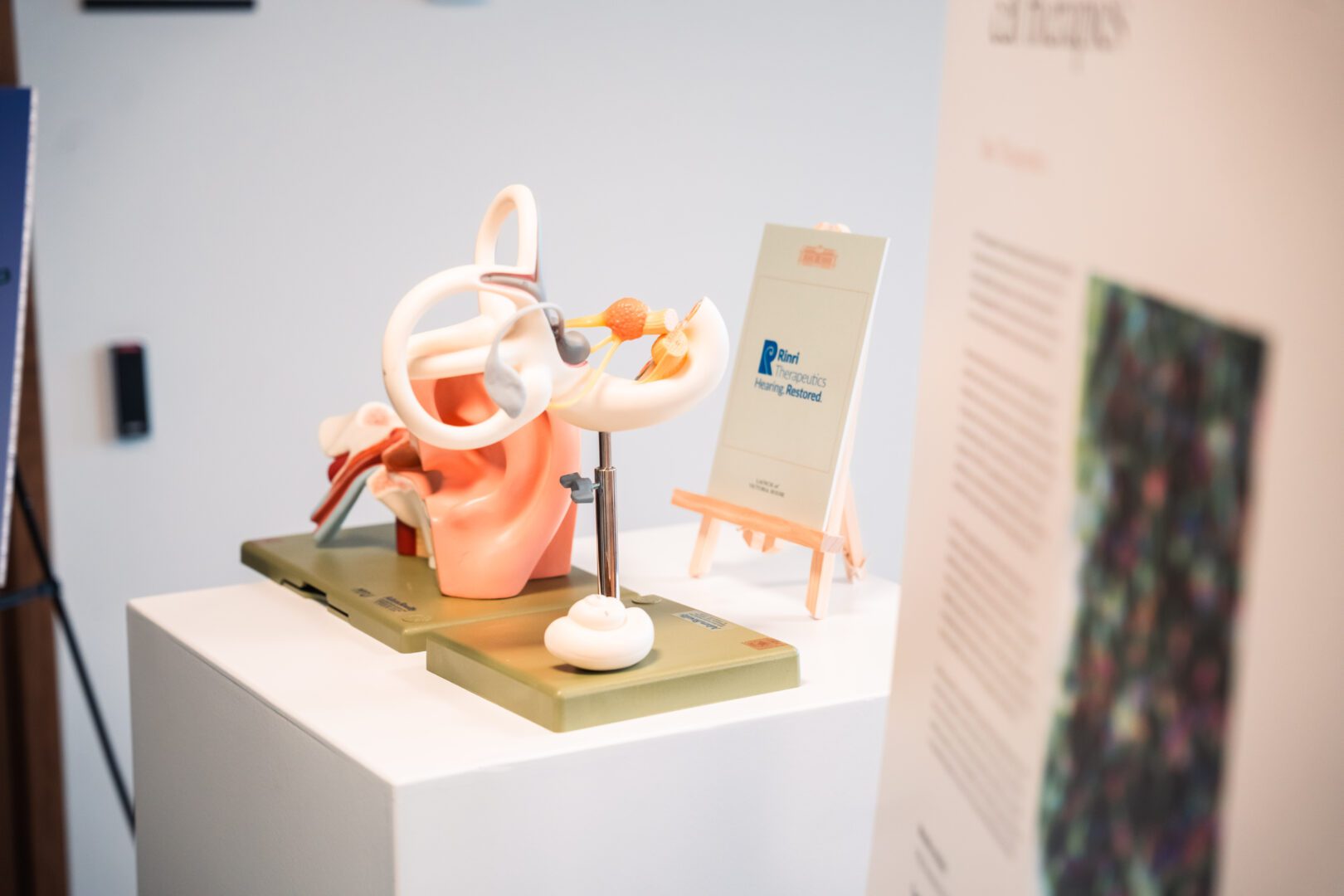
“As hearing loss is caused by cellular dysfunction and death of sensory cells in the cochlear nerve, a regenerative cell therapy is the logical solution – to replace those cells and restore function.”
Rinri Therapeutics recently received UK MHRA approval of its Clinical Trial Application (CTA) for its lead asset, Rincell-1, a first-in-class otic neural progenitor cell therapy for neural forms of hearing loss. Once funding is secured, the company will initiate its first-in-human Phase I/IIa trial, with initial clinical proof-of-concept data expected within 12 months of trial commencement.
Commenting on the value of the Pioneer ecosystem, Simon added: “Early-stage funding and exposure have been particularly valuable to us, and portfolio days have been excellent for networking with potential investors and partners. The marketing and PR support that Pioneer offers around events like this is also a real benefit.”
Floor 7: Emerging Innovators in the Incubator
The Discovery Tour concluded on the seventh floor, home to the recently launched Incubator space. With state-of-the-art equipment, shared instrumentation, a cell culture suite, a utility room and cold storage, these premium facilities allow early-stage companies to conduct advanced research without the upfront costs of setting up a lab from scratch.
On this floor, guests met a variety of exhibitors, including: Zeiss, Entelo Bio, Bio-Rad, Avantgarde, Macias Sensors, Llusern and Locate Bio.
Also exhibiting was Xterna, based just outside its own lab space on the seventh floor, which it occupied earlier this year. Xterna is developing novel medicines built from alternative nucleic acids.

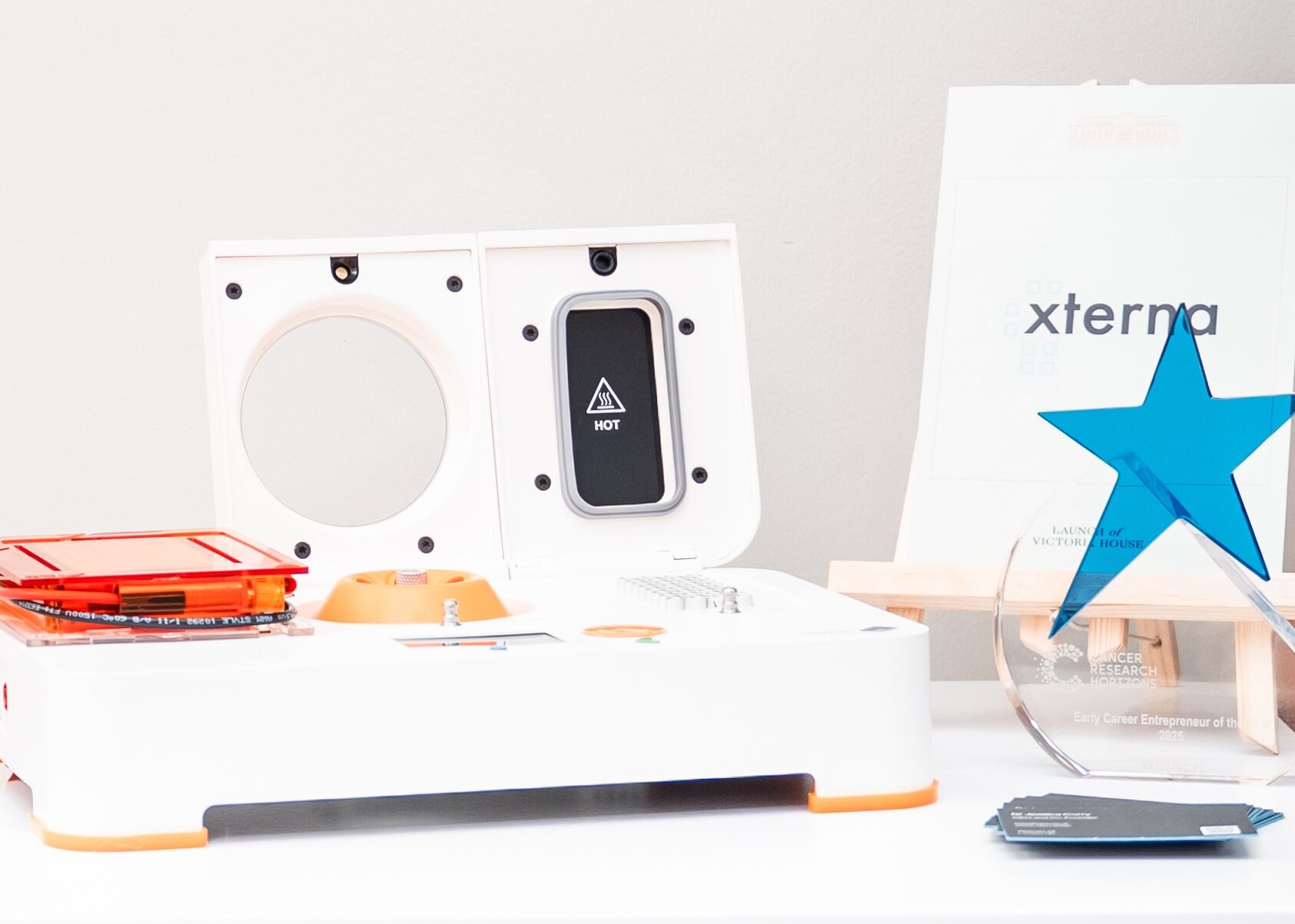
of millions of nucleic acid molecules in a single tube.
It’s been an exciting year for Xterna, which was awarded the Pioneer and Daiichi Sankyo’s 2025 Golden Ticket in July 2025, the same month that its CEO and Co-Founder, Dr Jess Corry, won the Cancer Research Horizons Early Career Entrepreneur Award.
Reflecting on the past six months, Jess said: “Winning the Golden Ticket has been a big milestone for us, especially while we’re still in early discovery phase research. Getting early interest from pharma is a positive signal for the future. Over the summer we have expanded our team and already filled the space we have here on the seventh floor.
“Being at Victoria House puts us under one roof with companies at every stage, from single-bench startups to larger teams ready to take an entire floor. That mix makes it easy to connect with other early-stage founders facing similar challenges, share ideas, and solve problems together. The shared equipment and collaborative atmosphere make it cost-effective and give it a real community feel, which is exactly why we chose Victoria House for this stage of our growth.”
Join the Next Chapter at Victoria House
With state-of-the-art labs, collaborative spaces, and a vibrant community of scientists, entrepreneurs, and investors, Victoria House is ready to support the next wave of life sciences pioneers.