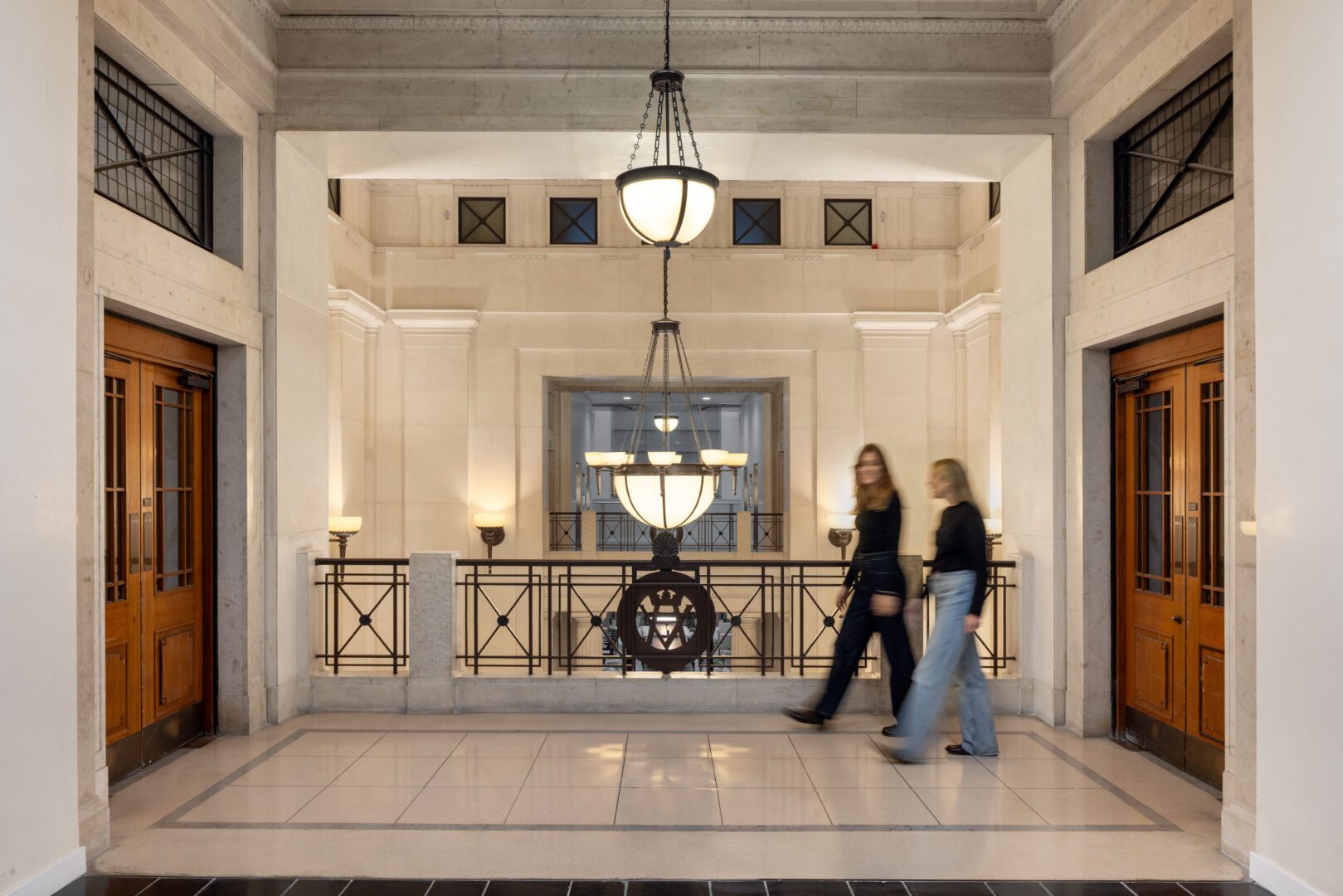
The refurbishment of Victoria House provides the perfect demonstration of how historic architecture can be adapted to meet modern life sciences needs. Through carefully considered design, the building now provides an environment that supports growth, collaboration and discovery, while preserving the distinctive character of a Grade II-listed landmark.
Situated in Bloomsbury Square, central London, Victoria House brings together the elegance of its Art Deco heritage with contemporary life sciences facilities. Spanning 300,000 sq ft, the building offers adaptable lab and office spaces that support companies of all sizes, empowering collaboration and growth within a heritage-rich environment.
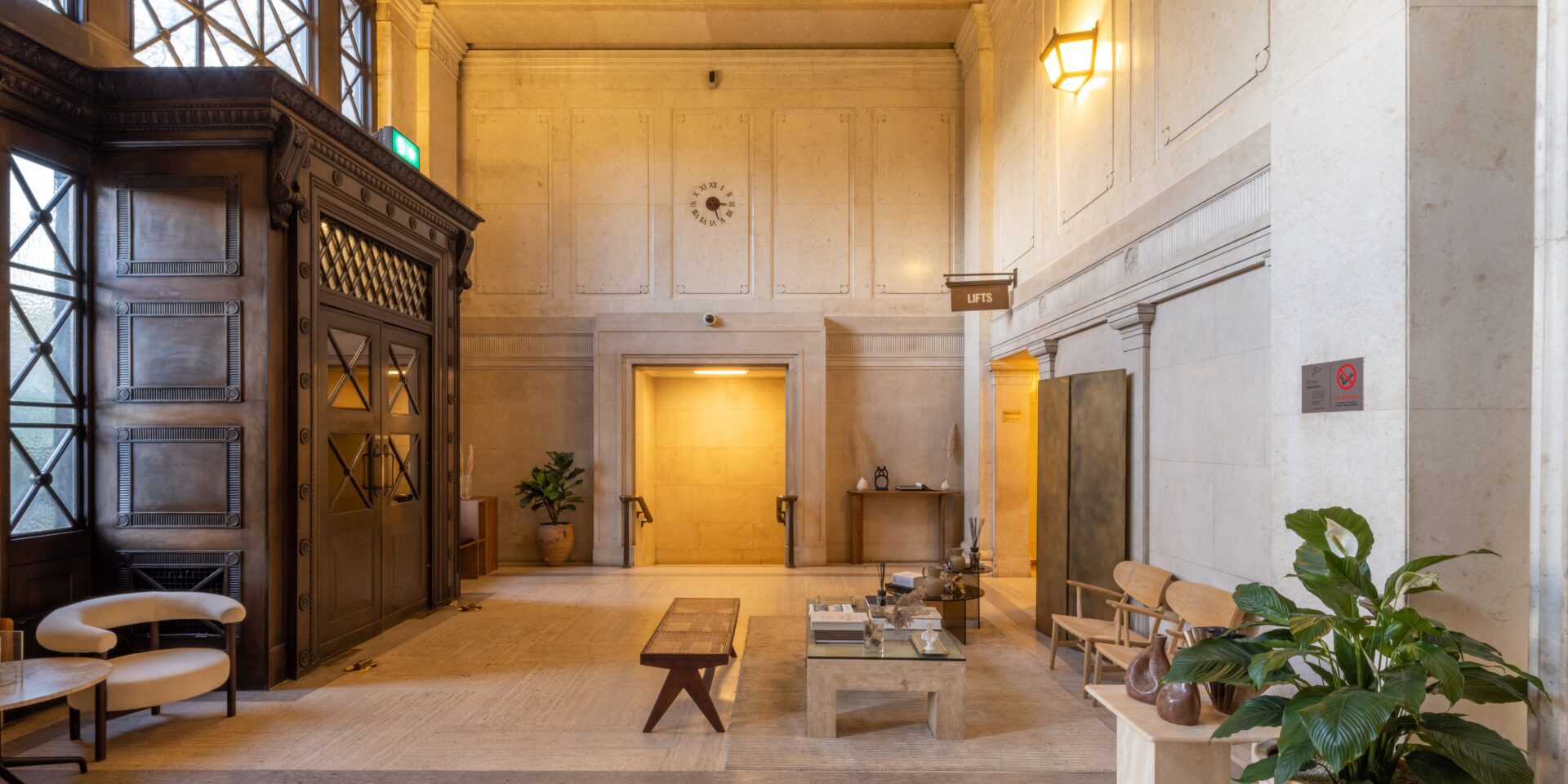
Retaining the building’s iconic Art Deco features, high ceilings, ornate details and unique interior elements, presented both opportunities and challenges. Careful refurbishment meant these heritage qualities could be carefully preserved, while integrating modern laboratory systems, including advanced ventilation, piped gases and MEP infrastructure. The result is a space where historic character and scientific capability coexist, delivering a distinctive working environment for life sciences companies.
Flexibility for Growth
Guided by input from early-stage companies and start-ups, Victoria House was designed with flexibility at its core. With adaptable lab and office layouts, flexible licensing and a ‘rent-a-bench’ model, Victoria House enables companies to start with minimal space and scale as their needs evolve. This approach reduces overhead and operational barriers, while supporting discovery and growth at every stage of development.
Collaborative and Inspiring Spaces
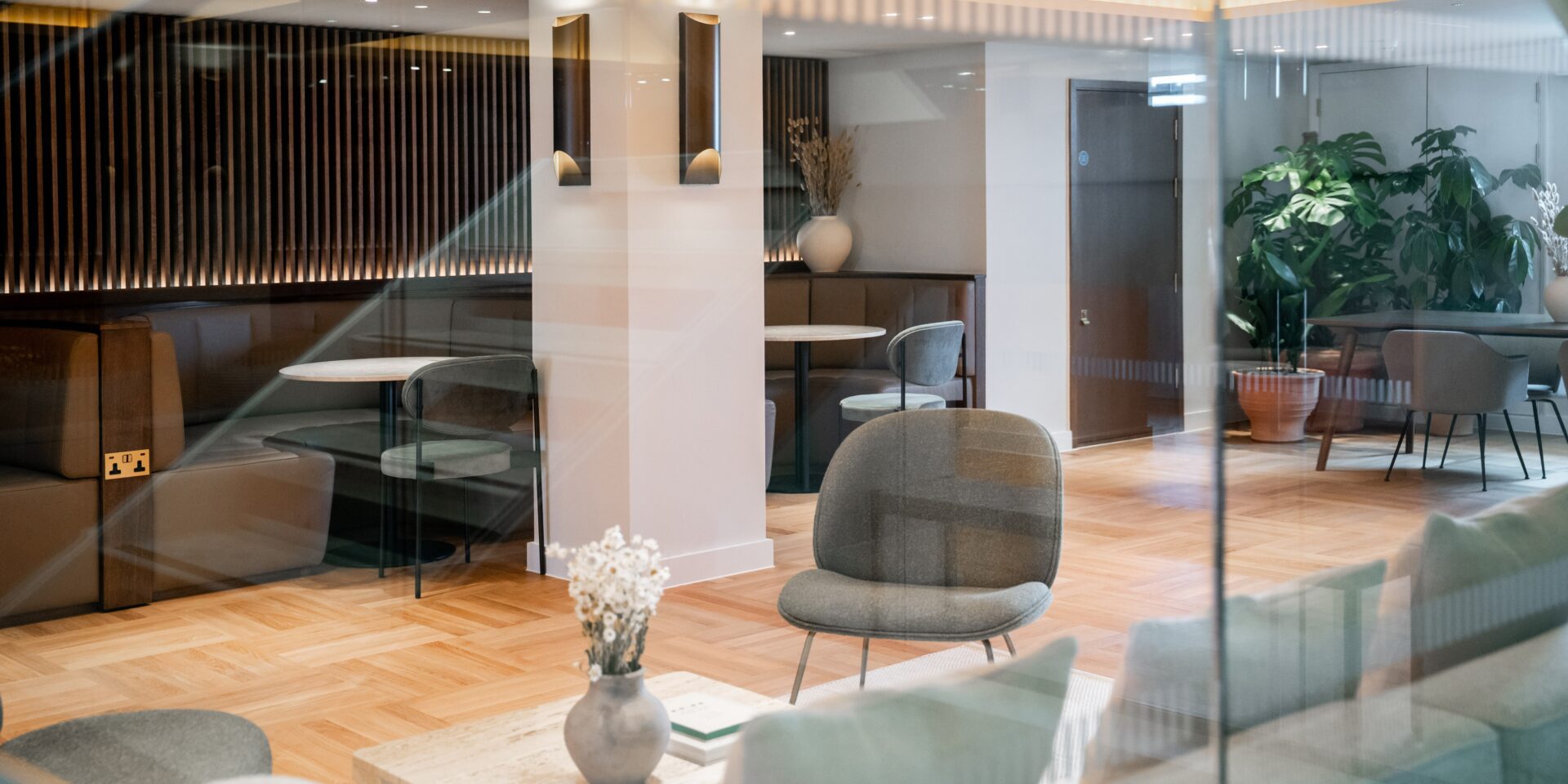
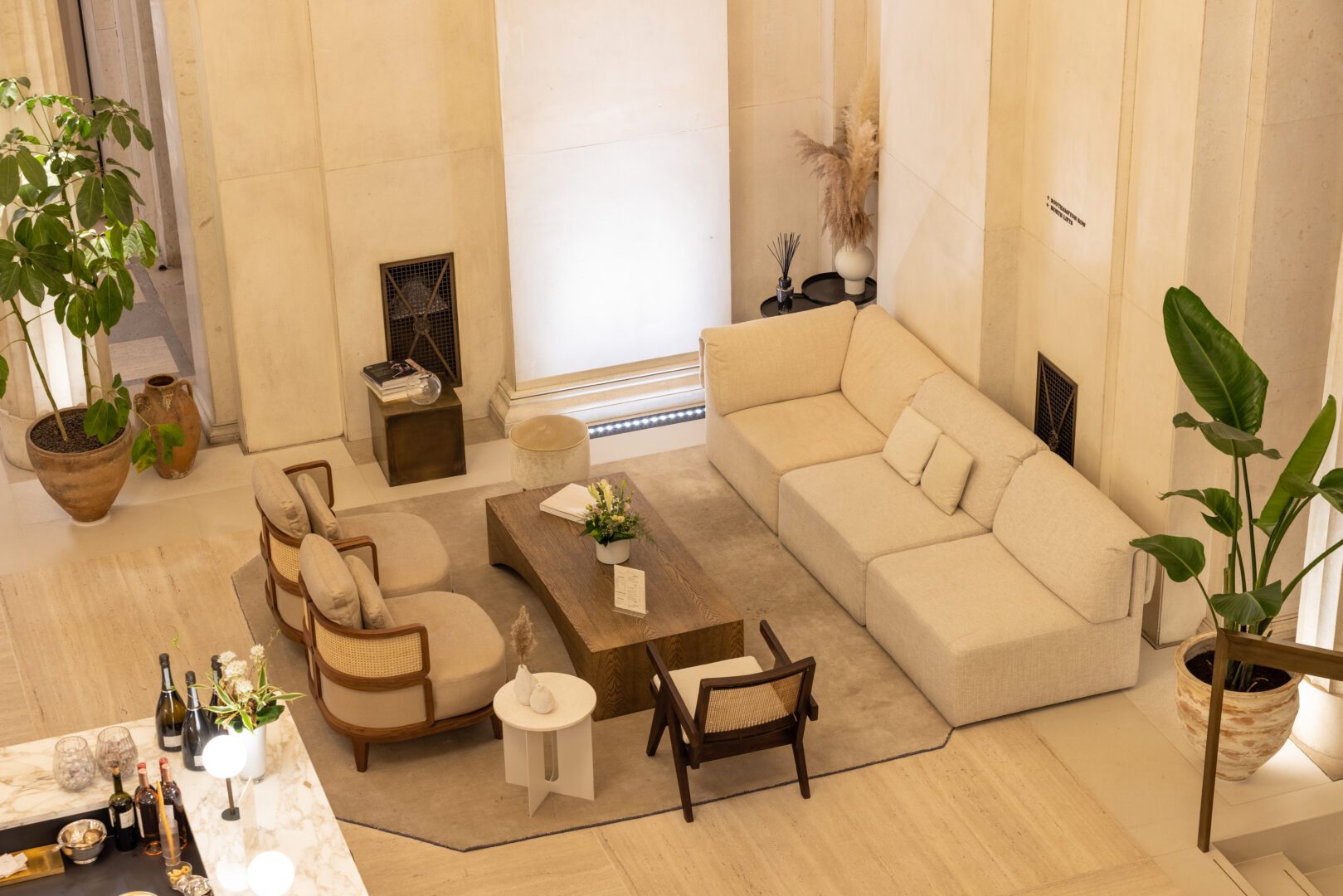
Beyond laboratories, Victoria House offers communal spaces that encourage collaboration and knowledge sharing. Light-filled atriums, lounges and heritage rooms provide relaxed spaces for interaction, while repurposed features, such as the cabaret club and bowling alley, offer unique settings for networking and community-building.
Sustainability and Future-Readiness
Sustainability was a key consideration throughout the refurbishment of Victoria House. The project incorporated energy-efficient systems, green leases for tenants and extensive recycling, with over 95% of construction waste repurposed or diverted from landfill. Opting to refurbish an existing building rather than construct a new one also reduced embodied carbon, extending the building’s lifecycle and supporting long-term environmental goals.
Supporting Innovation
Victoria House functions as a complete life sciences centre, combining flexible lab spaces, shared high-value equipment and thoughtfully designed communal areas. It provides the infrastructure and community needed for companies to grow and collaborate within a single, historic location.
Ultimately, Victoria House shows how thoughtful design, heritage preservation and a community-led approach can transform a historic building into a modern, adaptable and future-focused life sciences space that supports the next generation of scientific leaders.