The UK has reached a pivotal moment in the evolution of its chemicals sector. At the UK Sustainable Chemicals Summit, held at Wilton Centre in November 2025, a clear consensus emerged that technological progress alone will not deliver a defossilised, circular chemicals industry. Equally important are the places, people and capital that enable those advances to be embedded into existing manufacturing systems.
To turn policy ambitions into commercially viable, low-carbon activity, the UK must empower environments that connect start-ups, spinouts and like-minded investors.
Challenges for Sustainable Chemicals Start-Ups
Start-ups and spinouts are leading the way in sustainable chemistry, taking new approaches in bio-based feedstocks, recycling, engineered biology and low-carbon process design and shaping them into real-world products and services. Yet enterprise in this field faces several well-known barriers:
- High capital intensity and long development cycles, which make staged investment essential
- Specialist infrastructure requirements, including pilot equipment, analytical facilities and compliant handling environments that smaller companies rarely have access to
- Regulatory and market complexity, as new feedstocks and circular designs must fit within existing systems
- Limited familiarity among many investors with the technical and financial profile of sustainable chemicals ventures.
These challenges mean that promising ideas often struggle to progress beyond laboratory or pilot scale. To change this, thought leaders require closer contact with industrial partners, accessible scale-up facilities, technical guidance and an investor community that understands the timelines and value proposition associated with sustainable chemicals.
Creating Communities
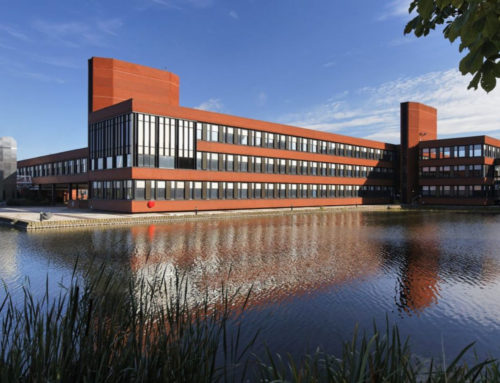
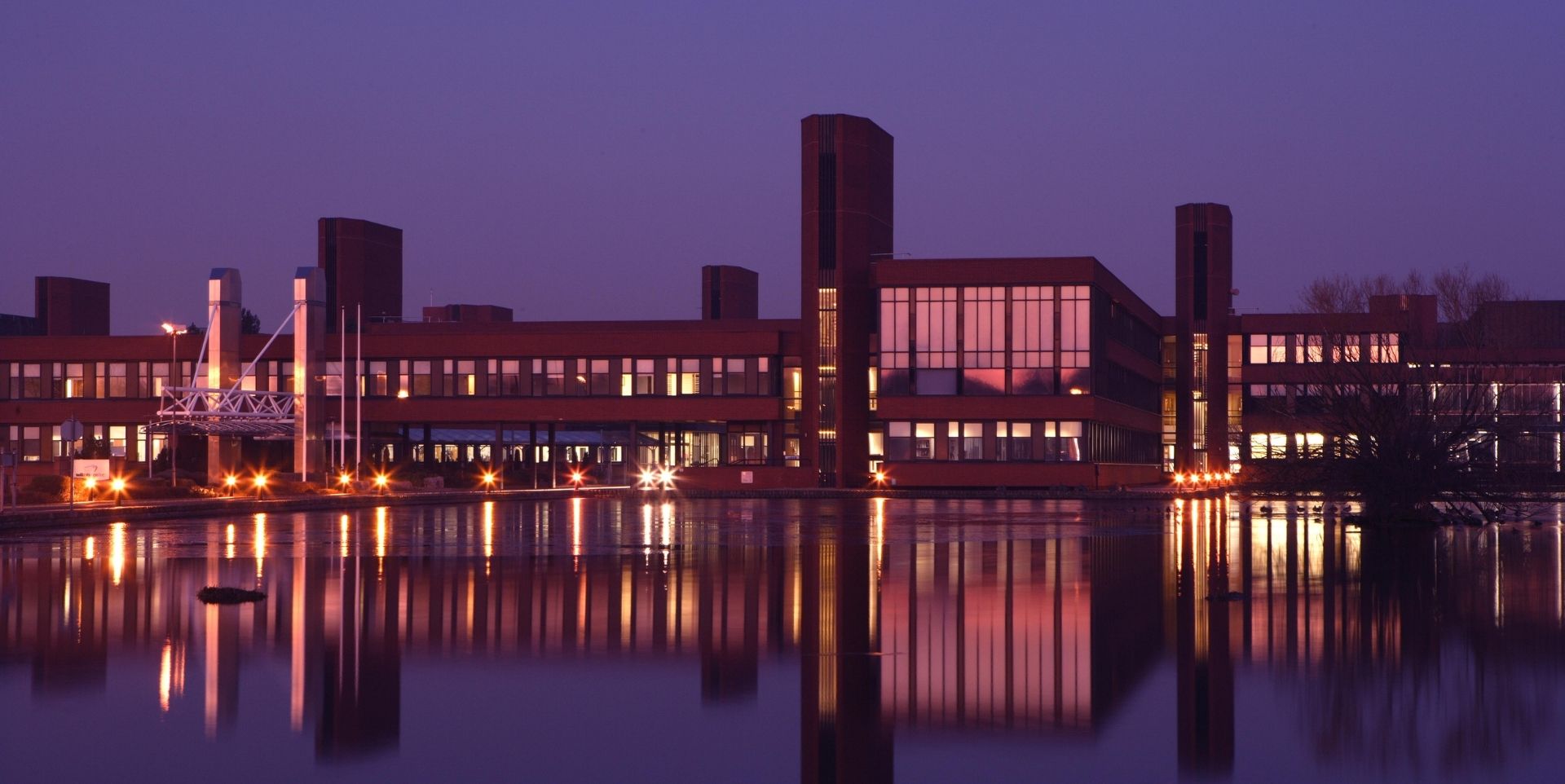
Locations with established industrial strength are essential for companies working in sustainable chemistry. Wilton Centre, one of Europe’s largest sites for research and development, is a strong example of this. Set within a 75-acre landscaped park in North Yorkshire and adjacent to Wilton International, the Centre is surrounded by the skills and supply chains of the North-East of England Process Industry Cluster. It is home to organisations like CPI and Fujifilm and offers contemporary laboratory and office accommodation suitable for early and growing businesses.
For scale-ups and spinouts, this environment is highly valuable. Being based where suppliers, technical expertise and large-scale processing knowledge are readily available helps shorten development cycles and reduces risk. Pioneer Group’s laboratory and office space, along with our accelerator programmes, scale-up training and support networks, further enhance the ability of young companies to progress from concept to commercial application.
Connecting Innovators with Impact Investors
Although funding exists, it is not always available in the form that sustainable chemicals companies need. Investors with an interest in environmental outcomes play a crucial role, particularly those who appreciate the importance of sustainable carbon feedstocks such as biomass, recycled carbon and carbon dioxide utilisation. The sector benefits when investors:
- Understand the technical milestones involved in developing sustainable chemical processes
- Are equipped to provide staged, patient capital alongside public support
- Can contribute to demonstration projects, validation work and regulatory planning
- Are connected to procurement routes that support commercial deployment.
Pioneer helps bridge this gap through the accelerator programme and investor-facing sessions. These activities make it easier for technical teams and investors to form long-term partnerships.
Practical Design of Incubator and Scale-Up Space
For the sustainable chemicals field, the design of incubation and scale-up space must meet specific practical needs. Important features include shared pilot and demonstration equipment, such as reactors and downstream processing units; flexible laboratory environments suitable for chemistry; bioprocess and materials research; access to specialist mentors and industrial partners; regulatory and commercial guidance during early development, and opportunities for regular engagement with investors through technical briefings and progress reviews.
When these facilities sit within established chemical clusters, where logistics, skills and industrial operators are close by, the likelihood of successful commercial growth increases.
A Collective Undertaking
Pioneer’s laboratory and office space, along with its investment, training and support networks, helps bring together the people and resources required for progress. By creating the right spaces and encouraging an active community of investors, the UK can accelerate the adoption of sustainable chemical technologies and secure the high-value jobs and industrial renewal associated with a circular, low-carbon future.
Pioneer welcomes conversations with thought leaders, investors and partners who want to shape the next generation of sustainable chemical manufacturing in places that already understand the practical realities of the sector.
Unlock the Pathway to a More Sustainable UK Chemicals Industry
Download our briefing note to discover 10 tactical actions that can accelerate the shift from fossil-based to sustainable carbon feedstocks.